The difference starts with how they harden
Air-dry modelling clay hardens without a kiln. STAEDTLER describes FIMOair as a material that dries naturally and can then be painted or varnished. The Victoria and Albert Museum explains that kiln firing changes clay into ceramic through an irreversible chemical change.
Those are broad material distinctions, not a specification for every product sold as clay. Formulations and finishes differ. When you are choosing a handmade piece, ask the maker what was used rather than trying to identify the material from its colour, weight or photograph.
A glossy surface does not tell the whole story
A painted or varnished surface can look glossy without being a fired glaze. Appearance alone does not establish water resistance or suitability for food, heat or outdoor use. Crayola’s guidance, for instance, says its dried and sealed Air-Dry Clay is not waterproof.
For a piece you want to wash, fill with water, use with food or place near a heat source, explain that exact use to the maker. Ask for confirmation that covers both the clay body and the finish. If that information is not available, choose it for decorative display.
Choose for the object you want to live with
For a decorative wall piece, motif, size, weight and hanging method may lead the decision. For a small dish, think about the objects you want it to hold and the space it will occupy. For a holder, check the opening and stability rather than judging from its name alone.
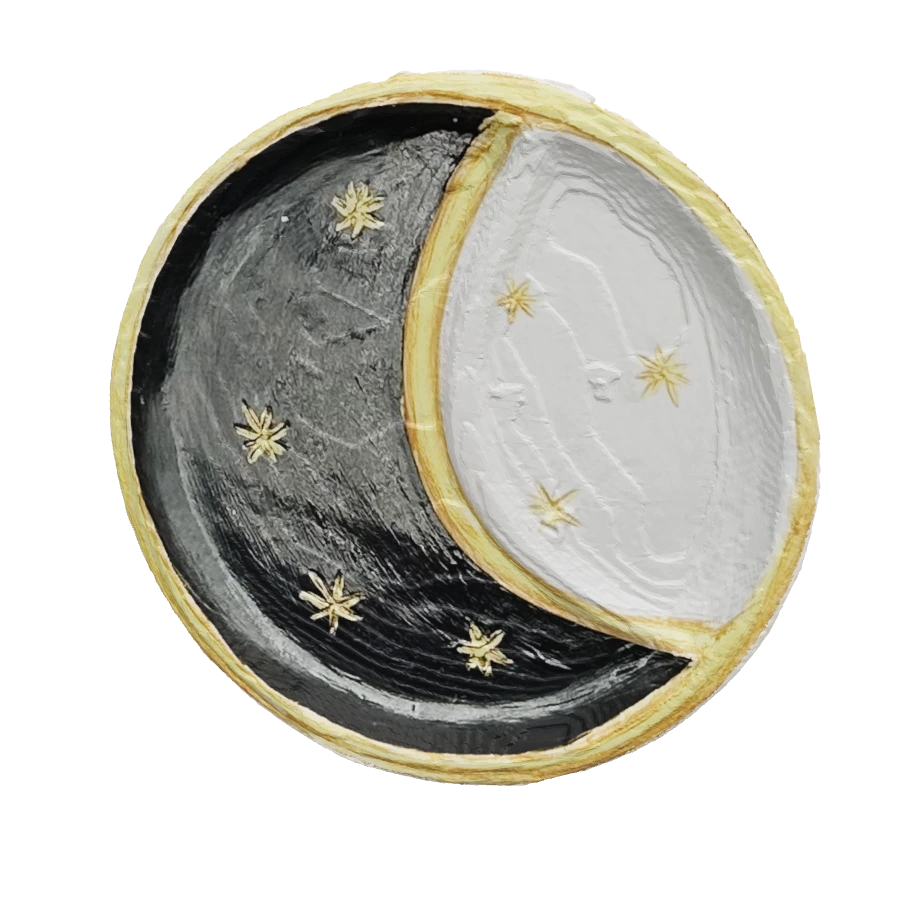
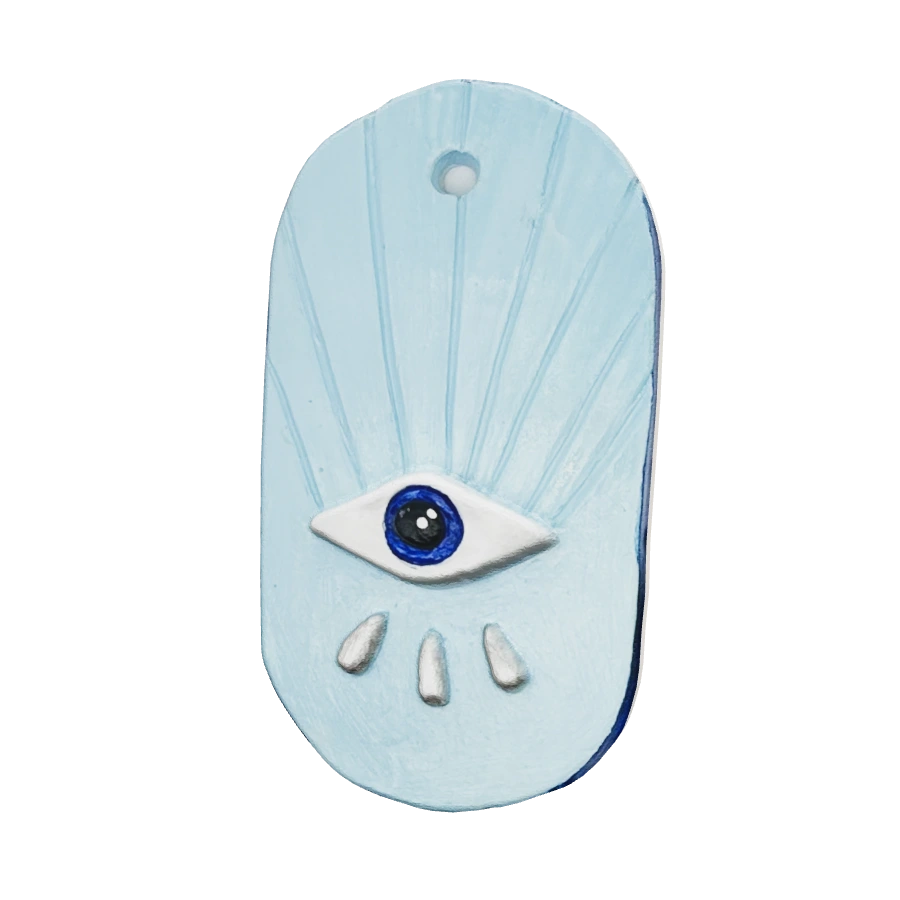
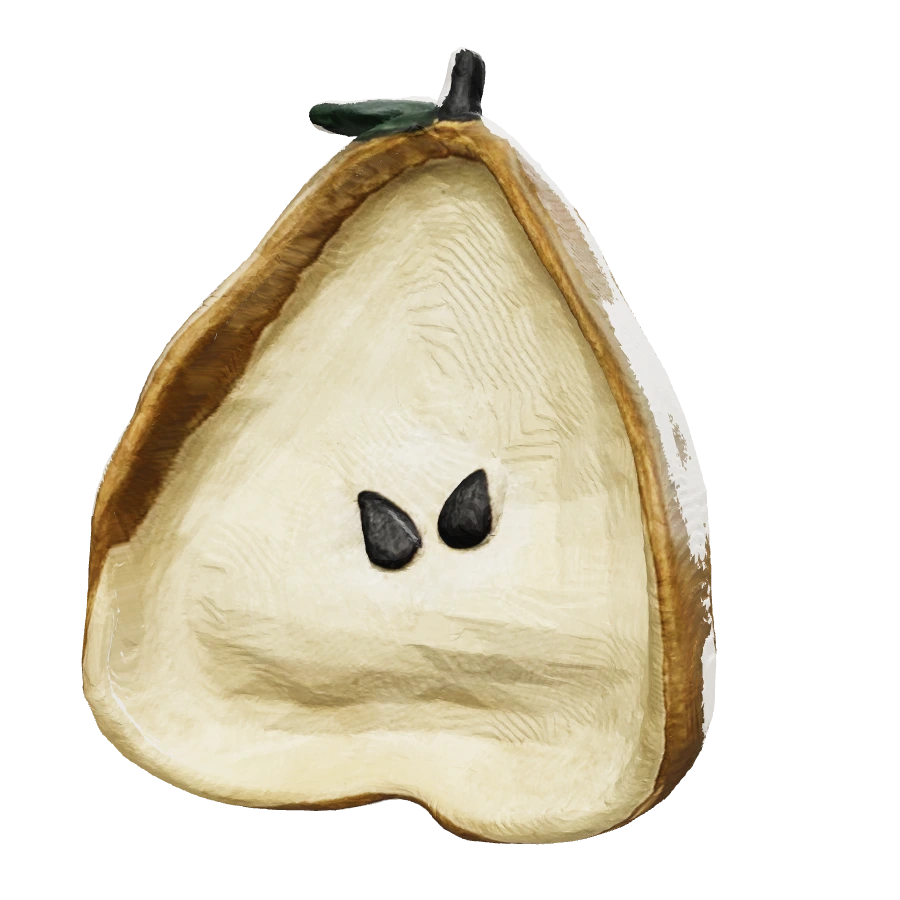
ONER’s pieces use air-dry clay. The gallery lets you compare painted designs and explore interpreted forms in 3D, but it does not certify material performance. The original photograph shows the actual handmade piece; a message to the studio is the place to confirm material, dimensions and use.
Four useful questions to send
What clay and surface finish were used? What is the piece intended for? How should I clean and store it? Is the specific use I have in mind suitable?
These questions work whether you are buying a clay object in Dubai, choosing a gift or simply learning about a piece you already own. Keep the maker’s answer with the object so the care advice stays attached to the right material.
Sources & further reading
- STAEDTLER: FIMOair materials and drying
- V&A: what happens when clay is fired
- Crayola: sealed air-dry clay and water
Manufacturer guidance applies to the named material. Ask us about the clay and finish of your ONER piece.